Canada’s cost of living is once again under pressure. According to the latest data from Statistics Canada, the country’s inflation rate (CPI) rose to 2.4% year-over-year in March 2026, with a 1.8% monthly increase, signaling a renewed uptick in price pressures.
While inflation remains within the target range set by the Bank of Canada, the composition of price increases reveals growing strain on everyday expenses—particularly energy and food.
Energy Prices Drive Inflation Higher
The primary driver behind March’s inflation increase was a sharp surge in energy costs, especially gasoline.
Gas prices rose 5.9% compared to last year, but more notably, they jumped 21.2% month-over-month, marking the largest monthly increase on record. This spike has been largely attributed to geopolitical tensions in the Middle East, which disrupted global oil supply and pushed prices upward.
In contrast, natural gas prices fell significantly—down 18.1% year-over-year—due to stable North American supply conditions. This helped partially offset broader energy inflation, though not enough to counter the sharp rise in gasoline prices.
Food Prices Continue to Climb
At the same time, food inflation remains a persistent concern for Canadian households.
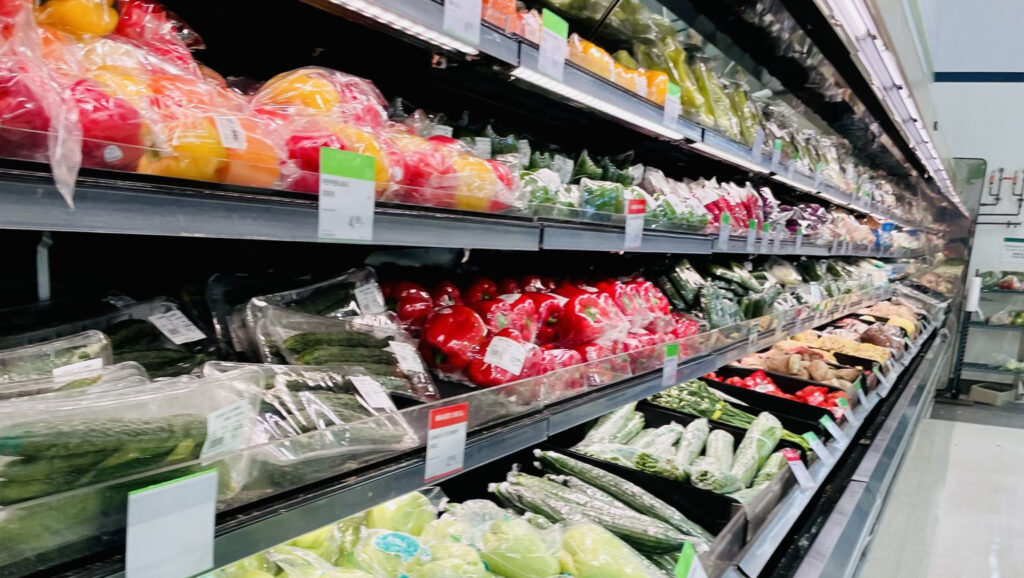
Overall food prices increased 4.4% year-over-year in March. Fresh vegetables saw even steeper gains, rising 7.8%, the highest increase since August 2023.
Staple items such as cucumbers, bell peppers, and celery experienced noticeable price hikes. Supply constraints, combined with unfavorable weather conditions in key agricultural regions, were cited as major contributing factors.
These increases continue to place pressure on household budgets, particularly for lower- and middle-income families.
Policy Changes Also Impact Consumer Costs
Beyond market-driven price changes, government policy shifts have also influenced March’s inflation data.
Earlier tax relief measures—including the temporary GST/HST holiday on items such as dining, books, and children’s goods—expired on February 15. As a result, March prices no longer benefited from these tax reductions.
At the same time, new fuel tax relief measures are being introduced. Starting April 20, the federal government plans to reduce gasoline taxes by 10 cents per litre and diesel by 4 cents, with the program expected to last through the summer.
Additionally, the federal carbon tax on fuel, which had already been removed in April 2025, continues to affect how current price increases are measured relative to last year.
Inflation Remains Within Target — For Now
Despite the recent increase, inflation remains within the Bank of Canada’s target range of 1% to 3%.
Economists suggest that the current rise is largely driven by energy volatility rather than broad-based inflationary pressure.
BMO Chief Economist Douglas Porter noted that without the oil price shock, market discussions would likely still be focused on potential rate cuts rather than inflation risks.
Similarly, RBC economist Abbey Xu pointed out that while food and housing costs remain elevated, the recent surge in gasoline prices has not yet triggered widespread inflation across other categories.
What Comes Next?
Looking ahead, inflation trends—and their impact on household finances—will depend heavily on energy prices and central bank policy decisions.
Markets are closely watching the Bank of Canada’s upcoming rate decision on April 29, which could influence borrowing costs, mortgage rates, and overall economic conditions.
For now, while inflation remains “controlled” on paper, the reality for many Canadians is clear: rising fuel and food costs continue to shape everyday affordability.